    |
|
|
|
 |
|
|

Nowadays, stealth aircraft—that is, those with a very low radar signature—are already a widespread reality.
However, stealth helicopters remain a rarity. In the early 1980s, the United States Army launched a program to acquire an armed stealth reconnaissance helicopter, with the goal of addressing one of the primary vulnerabilities of its existing reconnaissance and attack helicopters: Soviet surface-to-air missiles. In 1991, the U.S. Army selected the joint proposal from Boeing and Sikorsky: the RAH-66 Comanche.
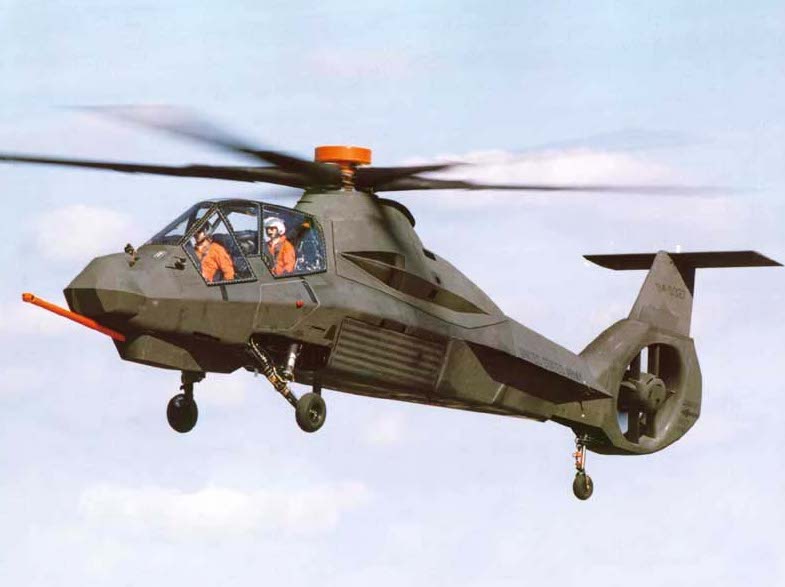
The Comanche was a truly revolutionary helicopter. In addition to a low radar signature, it also featured a low infrared signature (necessary to evade heat-seeking missiles) and an acoustic signature lower than that of other helicopters. After many changes, the project was canceled in 2004. One of the reasons for its cancellation was that its costs had risen significantly, consuming funds that were needed for other programs.

Although the Comanche was an excellent helicopter, the project encountered quite a few obstacles—not least the reality of the situation at the time regarding combat scenarios involving attack helicopters and ground forces. The YouTube channel Found And Explained has released an excellent video today analyzing this project, exploring the reasons for its failure, and examining its legacy in today’s aircraft:
---
Main image: Found And Explained.
|
Don't miss the news and content that interest you. Join Defense and Aviation for free on Telegram: Click here to join |


Opina sobre esta entrada: